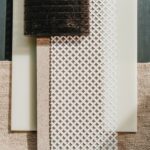
I’ve been designing interiors for almost two decades now, long enough to see trends come and go, and long enough to know that the spaces that truly endure are never about one perfect thing. They’re about relationships. How materials speak to one another. How the floor answers the wall. How texture softens structure and pattern brings soul. Layering interior design elements creates a luxe feel that lasts.
Layering—particularly layering floors and walls together—is one of the most powerful, and most misunderstood, tools in contemporary interior design. When done well, it creates depth, warmth, and cohesion. When ignored, even the most expensive home can feel flat or unfinished.
At Wallure to Flure, this philosophy is at the heart of everything we do. Our showroom exists because we believe walls and floors should never be considered in isolation. They’re partners. And when you design them together, the entire room rises.
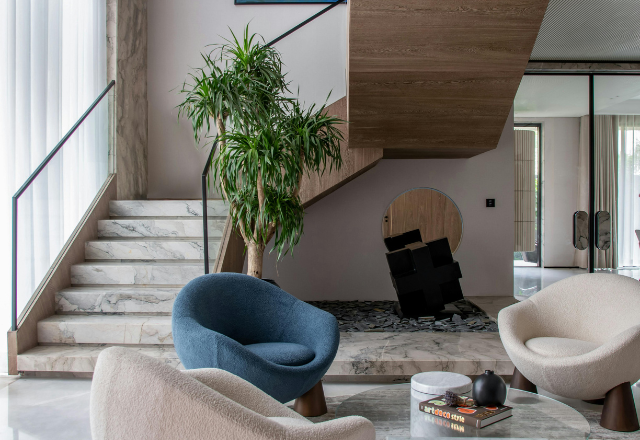
What Do We Really Mean by “Layering”?
Layering isn’t about excess. It’s about intention.
In practical terms, layering means thoughtfully combining wallcoverings, rugs, and flooring materials so that each element enhances the others. It’s the difference between choosing a rug because it’s beautiful on its own, and choosing a rug because of how it grounds a patterned wall, softens a modern space, or adds warmth to architectural lines.
Think of a room as a composition. The walls are your backdrop. The floor is your foundation. When those two elements are in dialogue, the room feels finished—even if the furniture is minimal.
I often tell clients: if your walls and floors are working together, everything else becomes easier.
Why Walls and Floors Should Be Designed Together
One of the most common mistakes I see—especially in renovations—is treating floors as a permanent decision and walls as an afterthought. Flooring gets selected early, wallcoverings get chosen late, and suddenly they’re fighting each other.
Designing them together allows you to:
- Create visual continuity from room to room
- Control how large or intimate a space feels
- Balance pattern with calm
- Introduce luxury without heaviness
A handwoven rug from Jaipur Living paired with a subtle grasscloth wallcovering from York tells a very different story than that same rug against plain white walls. Neither choice is wrong—but one is layered, intentional, and memorable.
Case Study: Quiet Walls, Expressive Floors
One recent project comes to mind immediately.
A family home with beautiful bones—high ceilings, wide-plank floors—but a desire for calm. The client loved pattern but was afraid of “too much.” We started with a textural wallcovering from Arte: neutral in color, rich in depth, with just enough movement to catch the light.
On the floor, we layered a Jaipur Living rug—soft geometry, restrained color, unmistakable personality.
The walls receded. The rug anchored. Together, they created a room that felt serene yet alive. That’s layering.
Case Study: Pattern on Pattern (Yes, Really)
Pattern-on-pattern is where experience matters.
In a Manhattan apartment, we paired a graphic York wallcovering with a Lavin rug that carried a complementary—but not matching—motif. The key was scale. The wall pattern was larger and more open; the rug pattern was tighter and more rhythmic.
The result wasn’t busy. It was dynamic.
This is something I’ve learned over years of designing for various projects: when patterns differ in scale and texture, they support each other instead of competing.
How to Think About Scale
Scale is everything when layering. Large-scale patterns on walls tend to feel architectural. They set the tone of the room. Smaller-scale patterns on rugs add intimacy and movement.
If both the wallcovering and rug are bold, let one lead and one support. If both are quiet, be sure at least one brings texture. A simple rule I often follow: if the walls speak loudly, the floor should hum. If the floor sings, the walls should listen.
Texture is the Unsung Hero
Texture is what makes a room feel finished.
You can layer neutrals all day long, but without texture, the space will fall flat. Grasscloth, silk blends, hand-knotted wool, flatweaves with dimension—these are the elements that give a room its soul.
Arte excels at this. So do so many of the brands we carry. And when paired with our custom rugs, the tactile experience becomes as important as the visual one. As a designer—and as a mom who actually lives in these spaces—I care deeply about how a room feels, not just how it photographs.
Continuity Throughout the Home
Layering isn’t just about one room. It’s about flow. When you move from space to space, your eye should feel guided, not jarred. That doesn’t mean everything must match. It means there’s a shared language—perhaps a color note that repeats, a texture that echoes, or a pattern scale that gradually shifts.
This is where designing walls and floors together becomes invaluable. You can move from a bold dining room into a softer living room without losing cohesion.
Tips for Homeowners
If you’re designing your own home, start here:
- Choose your flooring and rugs before finalizing wall colors
- Think about how natural light interacts with texture
- Don’t be afraid of pattern, but be intentional with it
- Invest where your body connects to the space—underfoot and at eye level
Most importantly, don’t rush these decisions. Layering is not about instant gratification. It’s about living well.
Tips for Designers
For fellow designers, layering is where your point of view shows. Use walls to tell a story. Use floors to ground it. Pay attention to how clients move through a space, how they sit, how they gather. And don’t underestimate the power of seeing materials together in person. Samples on a table only tell part of the story.
Wallure to Flure was born from years of watching clients struggle to visualize how walls and floors come together. In our showroom, you can see rugs next to wallcoverings. You can touch them. You can understand how a patterned wallcovering changes when paired with various rugs, or how textures can layer to elevates a space.
This isn’t about selling products. It’s about helping people make confident, layered decisions.
In serving a community that values both beauty and substance—I’m less interested in trends and more interested in spaces that feel right. Layering is how you get there. It’s how a house becomes a home. How design becomes personal. How walls and floors stop being surfaces and start being part of your story.