A client once mentioned, almost in passing, that her children did homework at the kitchen island every afternoon.
That one small detail changed the direction of the entire room.
The island was not simply where meals were prepared. It was a homework desk, snack station, gathering place, and the spot where everyone landed at the end of the day. A beautiful plan that ignored those routines might have photographed well, but it would have frustrated the family almost immediately.
So we reconsidered the lighting, seating, storage, materials, and traffic around the island. We designed for the life already happening there, not an imaginary version of family life where countertops stay perfectly clear and no one leaves a backpack on a stool.
This is why we design for real life rather than for the photograph.
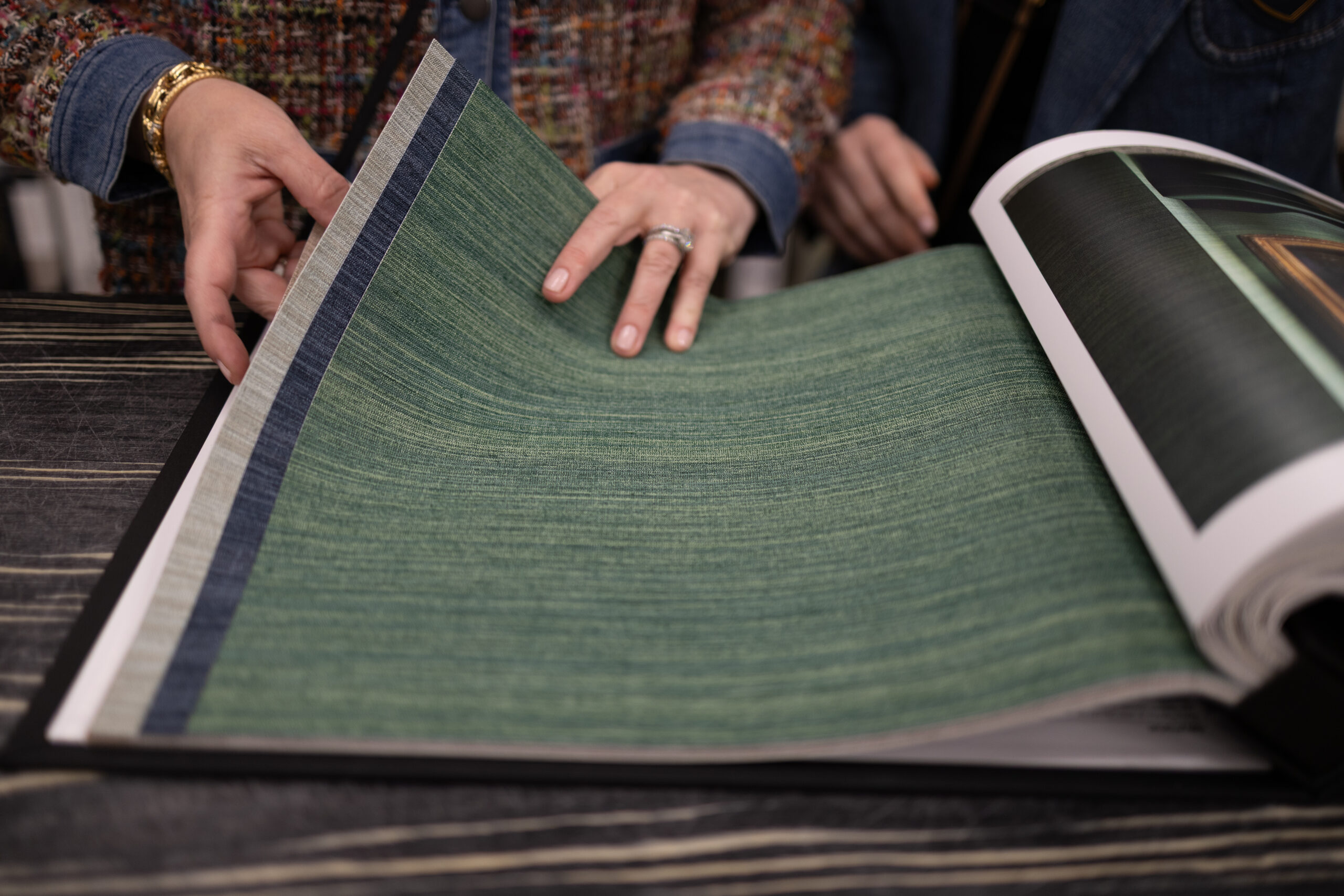
Before the colors come the questions. People are sometimes surprised by what we want to know before we discuss a rug, wallpaper, or finish.
- Where do you put your bag when you walk in?
- Do you wear shoes in the house?
- Where do clients wait when they arrive at your business?
- Which chair does everyone fight over?
- What ends up on the floor?
- Who cleans the space, and how often?
- What is working now, even if you do not love how it looks?
These details may not sound glamorous, but they are the foundation of good design. We need to understand how you move through a room, what repeatedly gets in your way, and what you need the space to do on an ordinary Tuesday.
For a business owner, that might mean observing how employees circulate, where customers naturally pause, whether conversations need privacy, or which surfaces experience the most wear. For a homeowner, it might mean planning around young children, frequent guests, an aging parent, or the reality that the dining room doubles as an office.
We’re not asking because we want to complicate the process. We’re asking so we can make fewer, better decisions.
Beautiful is not enough. And there are certainly times when we advise against an option, as stunning as it may be.
A delicate, light-colored rug may look perfect with the furniture, but if it sits between a busy kitchen and a backyard door, it may not be the right rug for that family. A dramatic wallpaper might be striking in isolation, but if the room already has strong architectural details or changing natural light, the scale or contrast could make the space feel restless.
The question is never only “Does this look good?”
It is also “Will this still feel good when you are living or working here?”
At Wallure to Flure, we would rather guide you toward a rug with the right construction, pattern movement, and forgiveness than sell you the one you will feel anxious about using. We would rather adjust the wallpaper selection than have you realize after installation that the repeat feels too busy from the place where you sit every evening.
That is not choosing practicality over beauty. It is choosing a deeper kind of beauty, one you can actually enjoy.
Real life makes modern design better because practical needs often make a design sharper. A requirement for durability can lead us toward a more interesting rug texture. The need to disguise everyday wear can point us to an abstract pattern with movement and depth. A difficult commercial layout can inspire a cleaner traffic flow and stronger visual rhythm. Wallpaper can define a reception area, create warmth in a dining space, or bring character to a small room without adding clutter.
Constraints give the design something to solve.
When every selection has a reason behind it, a space feels more intentional. The materials, colors, and patterns are not competing for attention. They are working together to support how the room is used.
This same philosophy shapes how we help clients at Wallure to Flure.
You do not need to walk into the store already knowing the correct rug size, wallpaper scale, color direction, or material. You also do not need to sort through endless options alone.
We begin with your room.
We look at how it is used, what is staying, what needs to change, how much traffic it receives, and what you want it to feel like. If you are an interior designer, we help you narrow the collection around the needs of your project. If you are a homeowner, we make the selection process understandable without expecting you to speak design language.
If you are ready to refresh a room this fall, visit Wallure to Flure and we will help you find a rug or wallpaper that works with the way you actually live.